Every Sunday evening, my family and I have dinner together – it’s a classic Tan Family thing where we gather relatives from all over different parts of KL and we just have a good meal together and spend some quality time together enjoying fellowship with one another and having conversations about many different things.
One of these conversations was about language learning.
As some of you know, I’m in the process of compiling a grammar book at the moment for IGCSE students – it’s a process that began about two weeks ago when I realized that one of the hugest gaps in instruction for IGCSE students (both First Language and English as a Second Language) is grammar, which has led to a long process of writing that continues to this day and even more extensive reading as I research what needs to be included and as I refine the work.
As a matter of fact, I read four entire grammar books in the past ten days, inclusive of Swan’s Practical English Usage (~600 pages), Penston’s A Concise Grammar for English Teachers (~130 pages), Parrott’s Grammar for English Language Teachers (~400+ pages); the last one was a recommendation from my relatives, many of whom hailed from an earlier generation and learned English from this book:
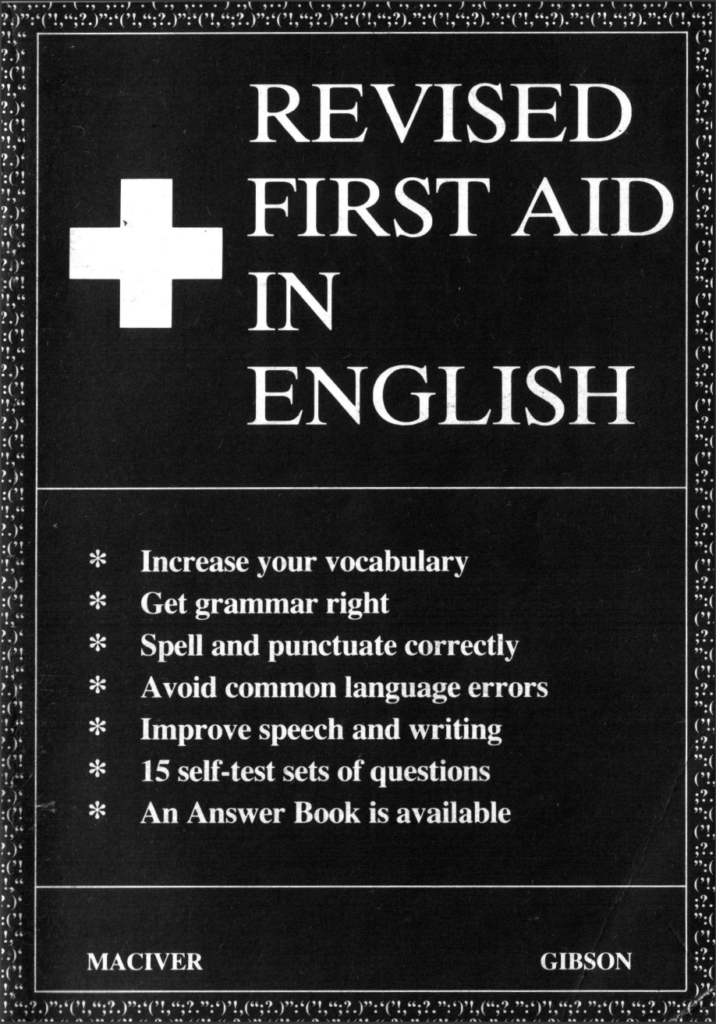
It was interesting to leaf through the pages of this old gem; browsing through it, I couldn’t help but think that it was a wonderful resource… Though one that was quite clearly incomplete.
Still, though, it offered me some valuable guidance and thoughts on how to structure my own book and, more importantly, highlighted for me the generational gap in English language proficiency faced by many students in Malaysia and the world at large, whether schooled in international schools or otherwise.
There is little formal training for students to get better at grammar within a schooling context, and almost every resource that I’ve seen focuses altogether too much on topic-based learning (which is understandable to a degree) to the extent that a sustained focus on understanding the rules of the game seems to have been entirely forgone.
The consequence? An entire generation of students who seem to be navigating the waters of good rhetoric with a hole in their metaphorical ships, allowing meaning and comprehension to slip through because the rules that govern language are not familiar in their heads and the powers that be assume familiarity with them or are unable to assess the extent to which student work is grammatical or isn’t for they themselves are unfamiliar with the rules of the game themselves and presume to teach a higher order skill that they themselves have only imperfectly procured.
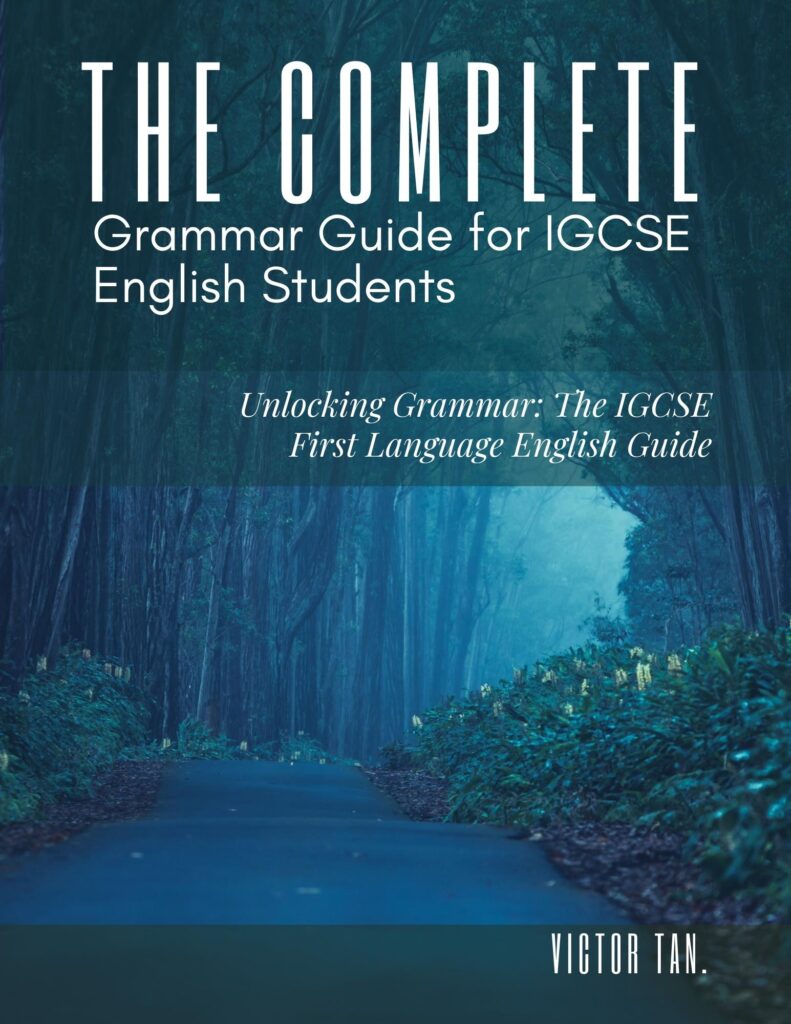
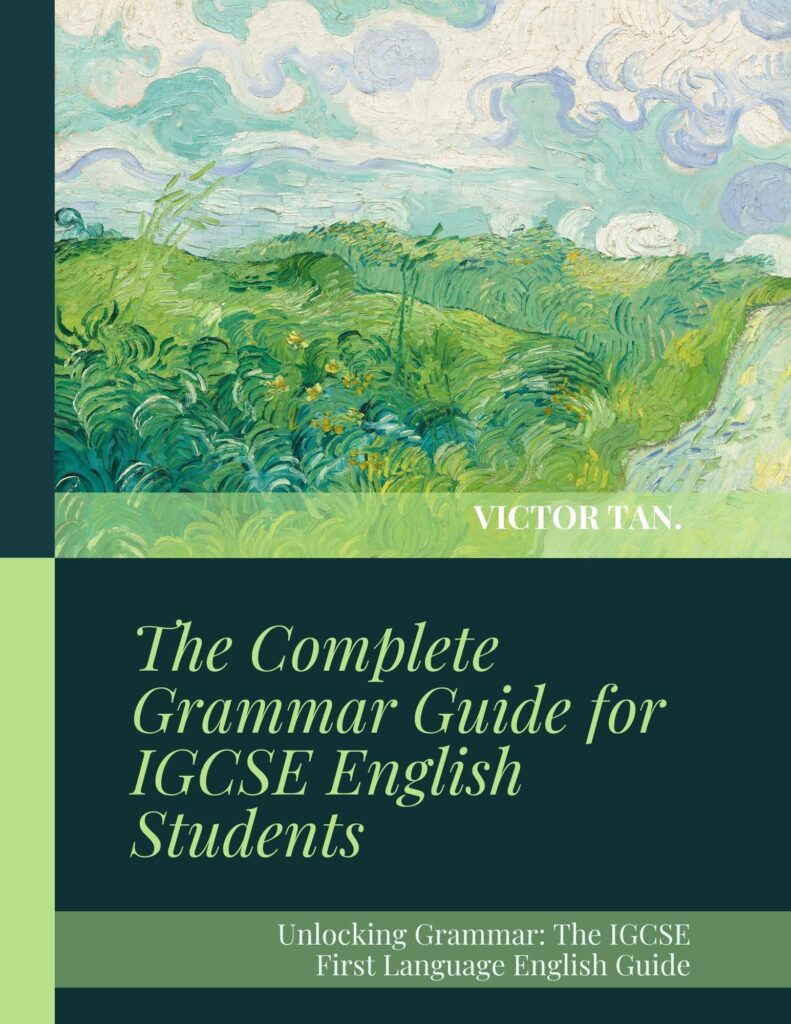
It’s for this reason that I’m writing The Complete Grammar Guide for IGCSE English Students, a book that I hope you’ll find enjoyable and tailored to the unique context of the IGCSE, whether for First Language English or English as a Second Language.
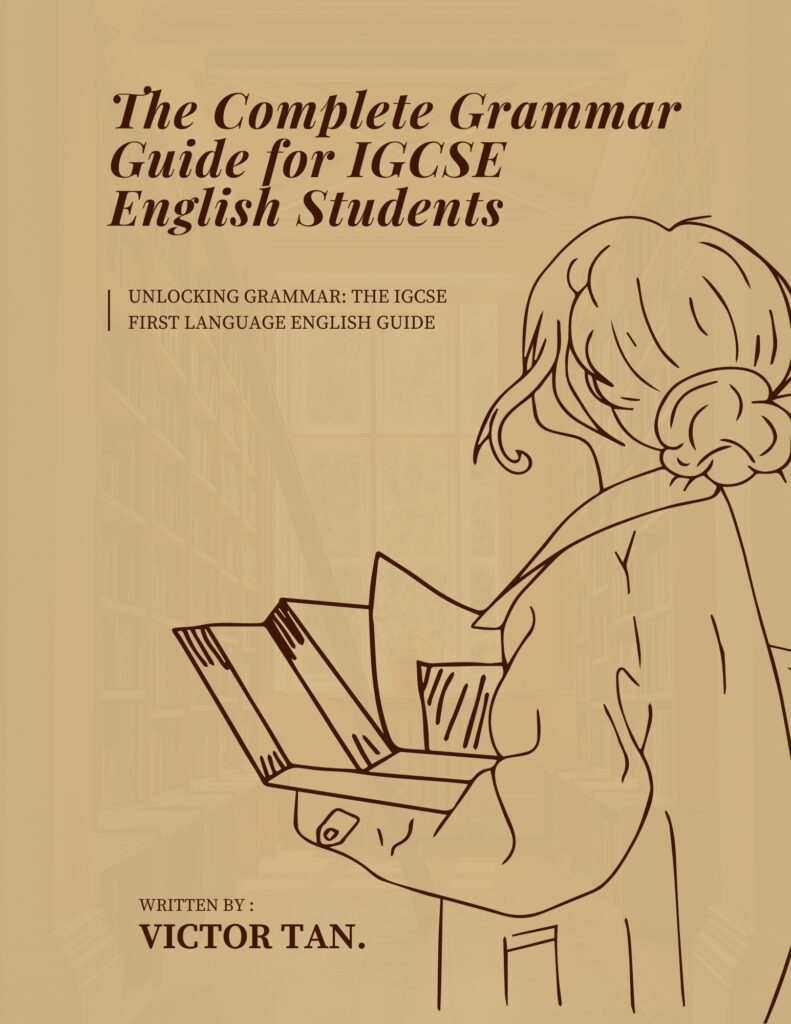
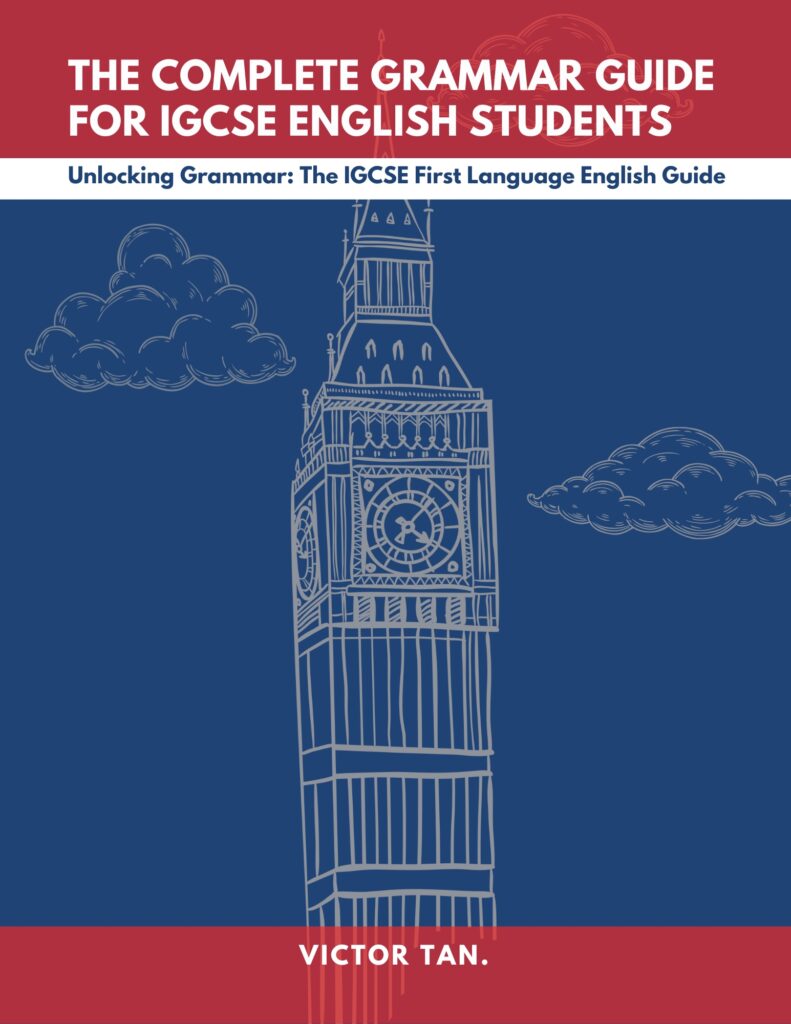
I’ll be continuing to draft and write the book in the week ahead in preparation for formatting, but just as a bit of a sneak peek for you, have a look at some of the covers I’ve compiled and that I will be using in the days ahead 🙂 (Which ones do you like? Let me know in the comments!)
I wonder what difference this book will make in people’s lives, but I do know for sure that it’s important to me to create this because I think that it will help to impact many people in this world 🙂
If you’d like to contribute towards my understanding of what is needed, do feel free to drop a comment in the blog post or to communicate with me, and I’ll look forward to working with you soon. Enjoy the week, everyone, and rest assured that I’ll be working hard to bring you more content in a bit – I’ll look forward to catching you again soon!
V.